

India's Most Sustainable Companies 2026 - Summit & Awards
A multi-platform thought leadership initiative to showcase how sustainability has taken center stage as a priority for businesses, policymakers, and consumers. The first edition of BT India's Most Sustainable Companies - Summit & Awards 2025 was held on June 6 in New Delhi under the theme 'Charting India Inc's Sustainable Future'. The event brought together leaders from industry, government, finance, and sustainability to recognize corporate excellence in ESG compliance and responsible business practices.
This year, as we enter into the 2nd edition, the event returns with a much powerful agenda where the initiative celebrates shared responsibility, shared discipline and shared security while felicitating leadership through responsibility, as India meets its 2030 targets ahead of time.


Driving India's Green Growth Agenda
The theme builds on India's evolving sustainability agenda while addressing the critical gap between policy commitments and capital flows. It focuses on transition finance and the decarbonisation pathways for hard-to-abate sectors, while also highlighting nature-based solutions that integrate adaptation finance with ecological resilience. It further emphasises the need for systemic change by moving beyond incremental compliance towards transformational economic restructuring, alongside mobilising capital to bridge the estimated USD 10 trillion investment gap required for climate and nature outcomes. Together, this framing positions India at the forefront of addressing the dual climate and nature crisis, while maintaining a strong focus on inclusive economic growth and the country's 2070 net-zero target.
Event Partners
Presenting Partner

Mining Partner
Green Partner
Associate Partner
Celebration Partner


Glimpses
Speakers
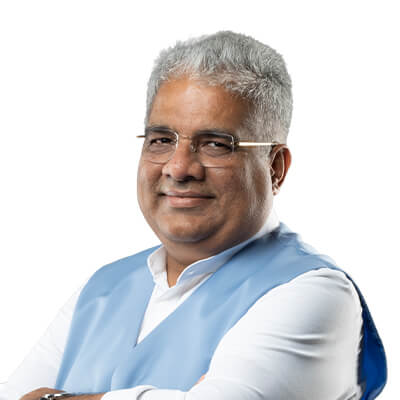


















Jury






Methodology
PICKING THE WINNERS
The Methodology Behind the BT India's Most Sustainable Companies 2026 Ranking
BY CARE ESG RATINGS
For this year's edition of India's Most Sustainable Companies , CareEdge, like in 2025, developed a comprehensive assessment framework. Incorporating both quantitative metrics and qualitative factors. Relying on publicly available disclosures, CareEdge shortlisted the top three performers for each of the award categories, from a universe of the top 1,000 listed companies.
In the case of manufacturing, we narrowed it to down to 11 categories: automobiles, capital goods, cement, chemicals, FMCG, infrastructure, logistics and ports, metals and mining, oil and gas, power generation, realty, and two from BFSI—banks and small finance banks, and non-banking financial companies.
Finally, there were three in leadership: best ESG performer, disclosures performer and sustainability leadership.
The preliminary screening kicked off with the top 1,000 listed companies based on market capitalisation, leading to manufacturing, BFSI being shortlisted for this year's awards.
Then, the companies within the sector were shortlisted based on the similarity in their business models. A total of 255 companies made the cut here.
Evaluation Criteria
The assessment predominantly focused on publicly available data on disclosures for FY25 across policy framework, strategy statements, exhaustive initiatives and quantitative sustainability performance metrics of the companies. Additionally, the assessment framework incorporated companies' transition performance from FY24 to FY25. The final sustainability standing factored in the aggregate scores using theme weights and core category weights, based on their sectoral relevance. As a final step, the names of the Top 3 or Top 5 companies in each category were placed before the jury for final deliberation.
The Core Categories
To arrive at the rankings, companies were assessed on the basis of core categories from 17 across environment and social themes based on their materiality. The categories are:
| ENVIRONMENT | SOCIAL | GOVERNANCE |
|---|---|---|
| Biodiversity | Human rights | Board composition |
| Carbon and other emissions | Human capital | Board functioning |
| Energy efficiency | Employee health and safety | Business ethics |
| Water usage and management | Product safety and quality | Remuneration |
| Climate stewardship | Consumer protection | Reporting, filing and disclosures |
| Raw material sourcing | Value chain | - |
| Green value chain | Privacy and data security | - |
| Packaging materials | - | - |