


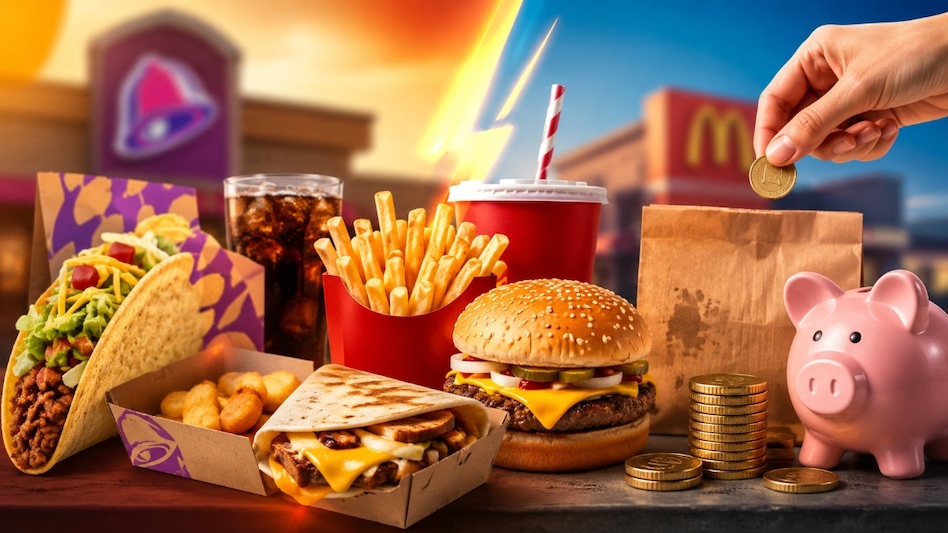
 The results suggest that lower prices may not be enough when customers are also looking for better food, service and overall value.
US fast-food chains are learning that cheap deals alone may not be enough to bring customers back, as budget-conscious diners become more selective about where they spend their money.
The second quarter results of major restaurant chains showed that discounts worked best when they came with better food, new menu options and a smoother customer experience. Chains that relied mainly on promotions continued to struggle, according to a report by Reuters.

 'US, Iran close to some sort of arrangement': Pakistan signals possible Hormuz breakthrough
 Air India Phuket-Delhi pilot tests positive for marijuana; AAIB probes 300-ft altitude drop
 RBI’s revolving credit curbs: Why Tata Capital sees limited impact
 'Send your CV, will get you a job': Prashant Kishor promises jobs to 10,000 Bankipur youth
 With the equalisation levy gone, how taxing digital profits has become complicated
  AI At Scale: The New Infrastructure Mandate For India Inc.
 Blinkit Store License Suspended After Cockroaches, Expired Food Found During FDA Inspection In Mumbai
 Market Masters With Dinshaw Irani | Decoding Helios Flexi Cap & Mid Cap Funds
 Latest Tech News By AI Sana - Tech Gear EP 13
 India Market Rally: FPI Money Returns As Mid & Small Caps Outperform On Strong Earnings
 Wall Street stages cautious rebound as oil prices ease on hopes of Hormuz Deal
 Sensex, Nifty fall as crude nears $90, US-Iran deal hopes fade; what's ahead?
 Ola Electric: Rs 57-crore provision reversal makes investors jittery
 RVNL shares slip even as Q1 FY27 profit climbs 18% YoY; key details
 Unique individual investors in F&O trading declines in FY26 but average per person loss widens
 Accidental death benefit rider: Is your family financially protected against unexpected accidents?
 Apple’s 20th anniversary iPhone to get a major glass makeover in 2027: Here what we know so farWall Street stages cautious rebound as oil prices ease on hopes of Hormuz Deal
 Odisha Food Pro-2026: Why Investors Are Betting Big On Odisha'US, Iran close to some sort of arrangement': Pakistan signals possible Hormuz breakthrough










